
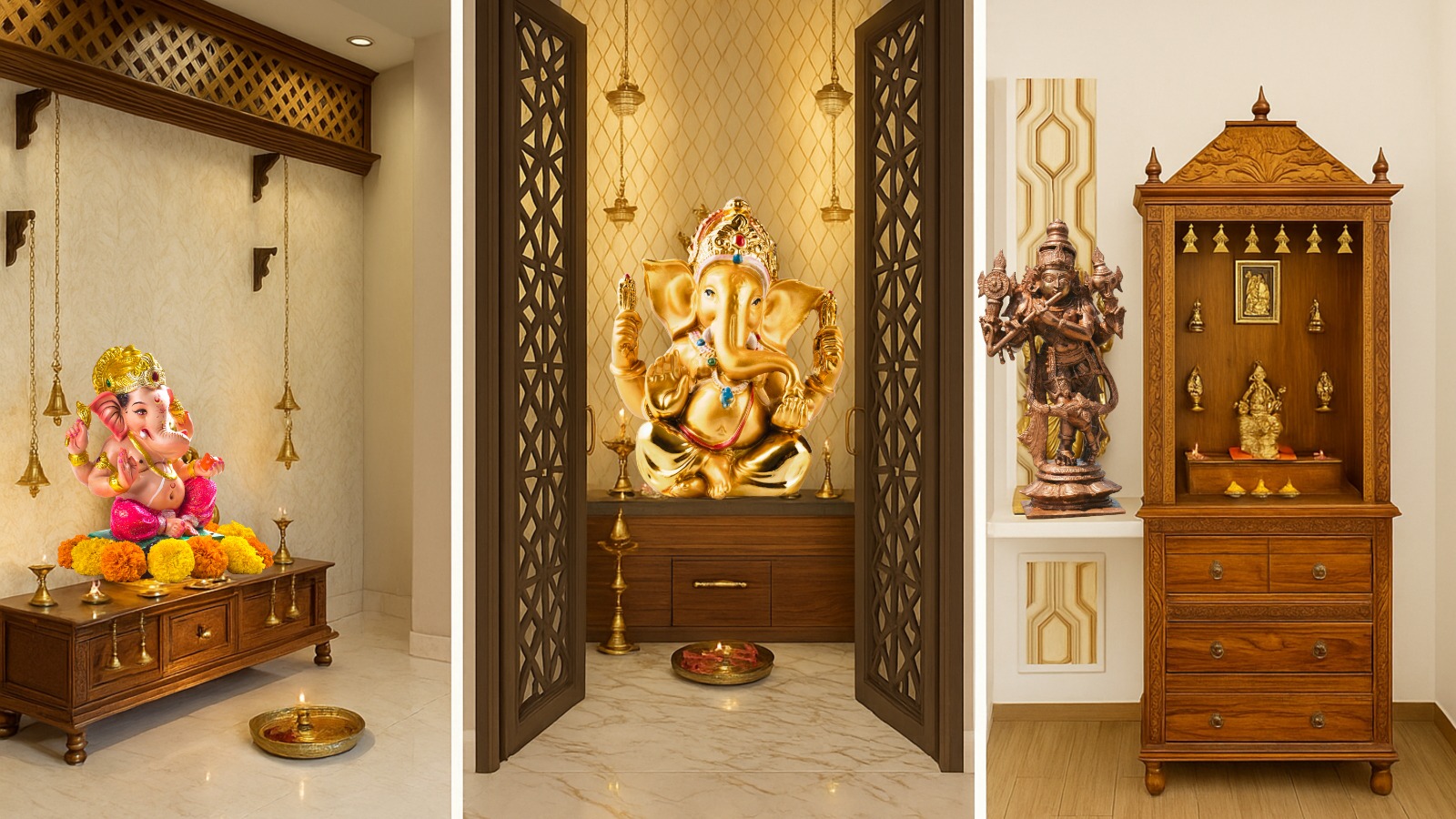
Pooja Mandir Direction at Home
Every home deserves a sacred space where you can connect with peace, positivity, and divine energy. A pooja mandir or temple in your home is not just a place for worship—it’s the heart of spiritual energy that keeps your surroundings pure and balanced. According to Vastu Shastra, the ancient Indian science of architecture, the direction and placement of your pooja mandir play an important role in maintaining harmony and prosperity in your home.
Here are 7 simple and effective Vastu tips for your pooja mandir direction at home that can help you invite divine blessings and positive energy into your life.
1. Ideal Direction for Pooja Mandir
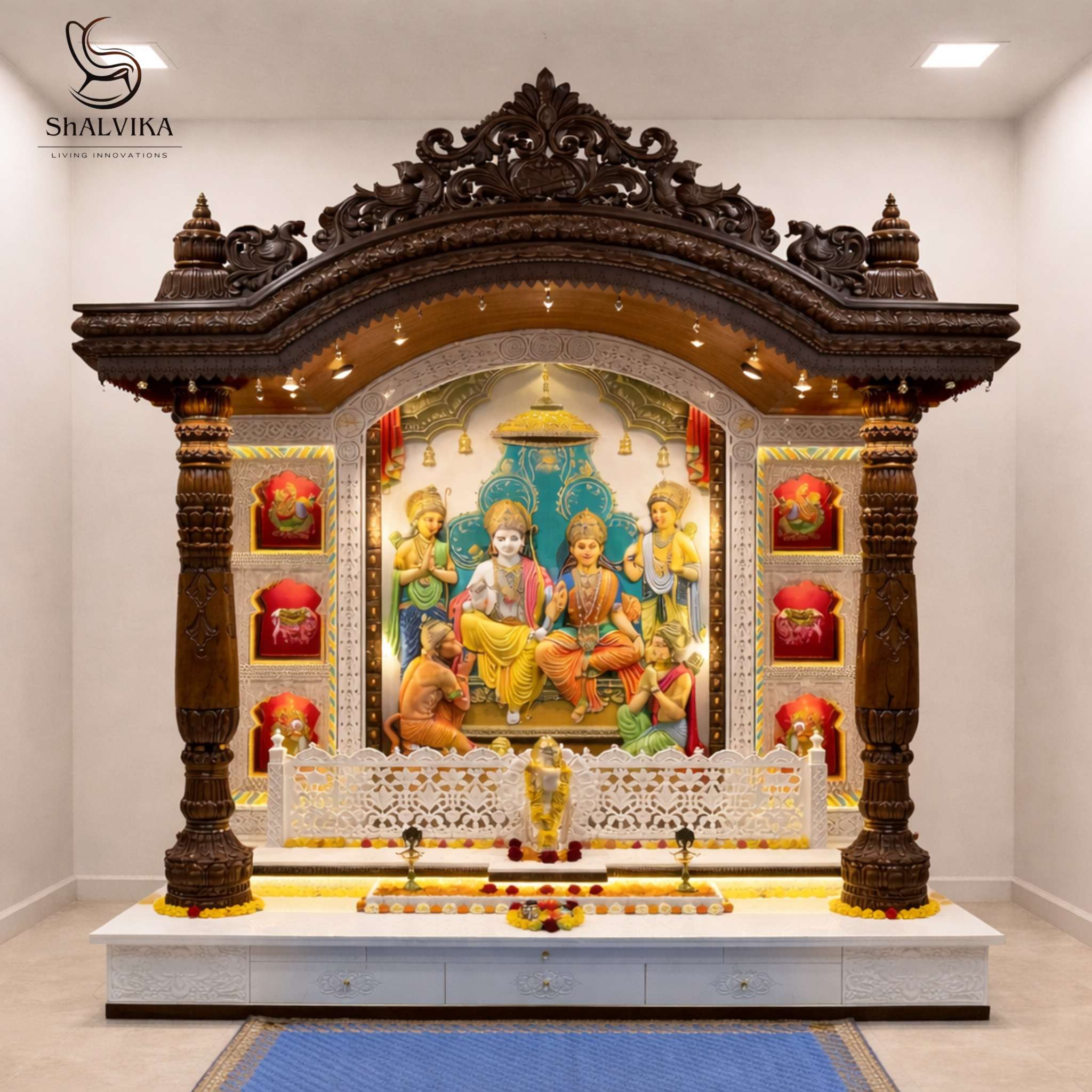
According to Vastu, the northeast (Ishan Kona) corner of your home is the most auspicious place for setting up your pooja mandir. This direction attracts spiritual vibrations and positive energy. If placing the temple in the northeast is not possible, you can also consider the east or north direction as alternatives. Avoid placing your temple in the south direction, as it is believed to block spiritual energy.
2. Right Placement of Deities
The idols or photos of gods and goddesses should always face the east or west direction, so that you can sit facing either east or north while praying. This helps channel spiritual energy and maintains balance in the home. Make sure that the idols are placed slightly away from the wall—at least an inch gap should be maintained for proper air circulation and energy flow.
Also, avoid placing broken or damaged idols in your temple, as they can create imbalance and negativity.
3. Height and Design of the Mandir
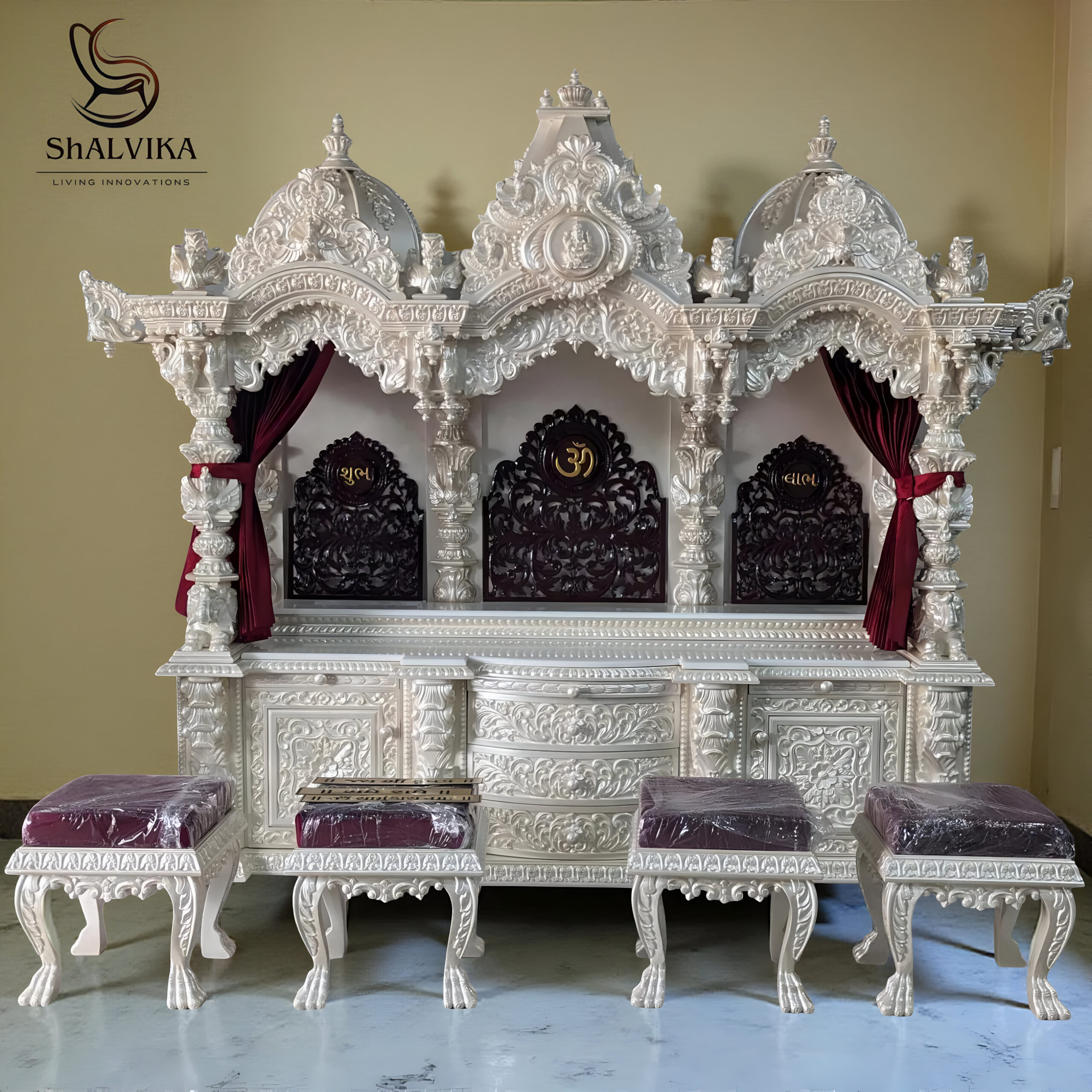
Your pooja mandir should always be placed at a height above the ground, preferably on a platform or chowki. This symbolizes respect and ensures the temple’s energy is higher than that of the surrounding floor. Avoid placing the mandir directly on the floor.
Choose a wooden mandir for your home, as wood is considered pure and natural according to Vastu. Avoid using heavy metal or plastic materials for temple construction. Wooden mandirs not only enhance positivity but also give a traditional and elegant look to your home.
4. Avoid Pooja Mandir in Bedroom or Kitchen
Many people, due to limited space, keep their pooja mandir inside the kitchen or bedroom. However, according to Vastu Shastra, this should be avoided.
- The bedroom is a private and resting space and may not be ideal for a spiritual corner.
- The kitchen represents fire energy, which may conflict with the calm vibrations of the temple.
If you have no other option, make sure the mandir is placed in a clean, separate corner of the room, away from the bed or cooking area. Always cover the mandir with a curtain when not in use.
5. Keep the Area Clean and Clutter-Free
Cleanliness is a key part of Vastu for any sacred space. The pooja room should always be clean and well-lit. Avoid storing unnecessary items or clutter near the mandir. Use soft, warm lighting or natural light for better energy flow.
Always keep fresh flowers, pure ghee diyas, and incense sticks during prayers. You can also use bells or chimes, as their sound is believed to remove negative energy from the surroundings.
6. Direction for Lamp or Diya
When lighting a diya in your mandir, make sure it is placed in the southeast direction of the pooja area. Fire represents purity and positivity, and southeast is considered the ideal direction for it according to Vastu. The flame should ideally face east.
If you use multiple diyas, ensure they are placed in clean, brass or silver holders, and always extinguish them respectfully after your prayers.
7. Use Light and Colors Wisely
The color scheme around your pooja mandir should promote peace and calmness. Light shades like white, light yellow, beige, or cream work best for a spiritual atmosphere. Avoid dark colors such as black, grey, or dark red near the temple area.
You can decorate your mandir wall with simple paintings or symbols like Om, Swastik, or Lotus, which enhance positive vibrations. Soft yellow or warm white lighting in the mandir brings a soothing and divine effect.
Conclusion
Your pooja mandir is not just a decorative space—it’s the center of positivity, blessings, and inner peace. Following these Vastu tips for pooja mandir direction at home helps attract good fortune, prosperity, and happiness for your family.
When setting up your mandir, remember to focus on purity, direction, and simplicity. A calm, clean, and well-lit space can make your home feel spiritually vibrant and peaceful every day.
Bring home a beautifully designed wooden pooja mandir that matches your interiors and follow these easy Vastu principles to create a sacred corner filled with divine energy. Let your home temple become the heart of devotion and positivity.