
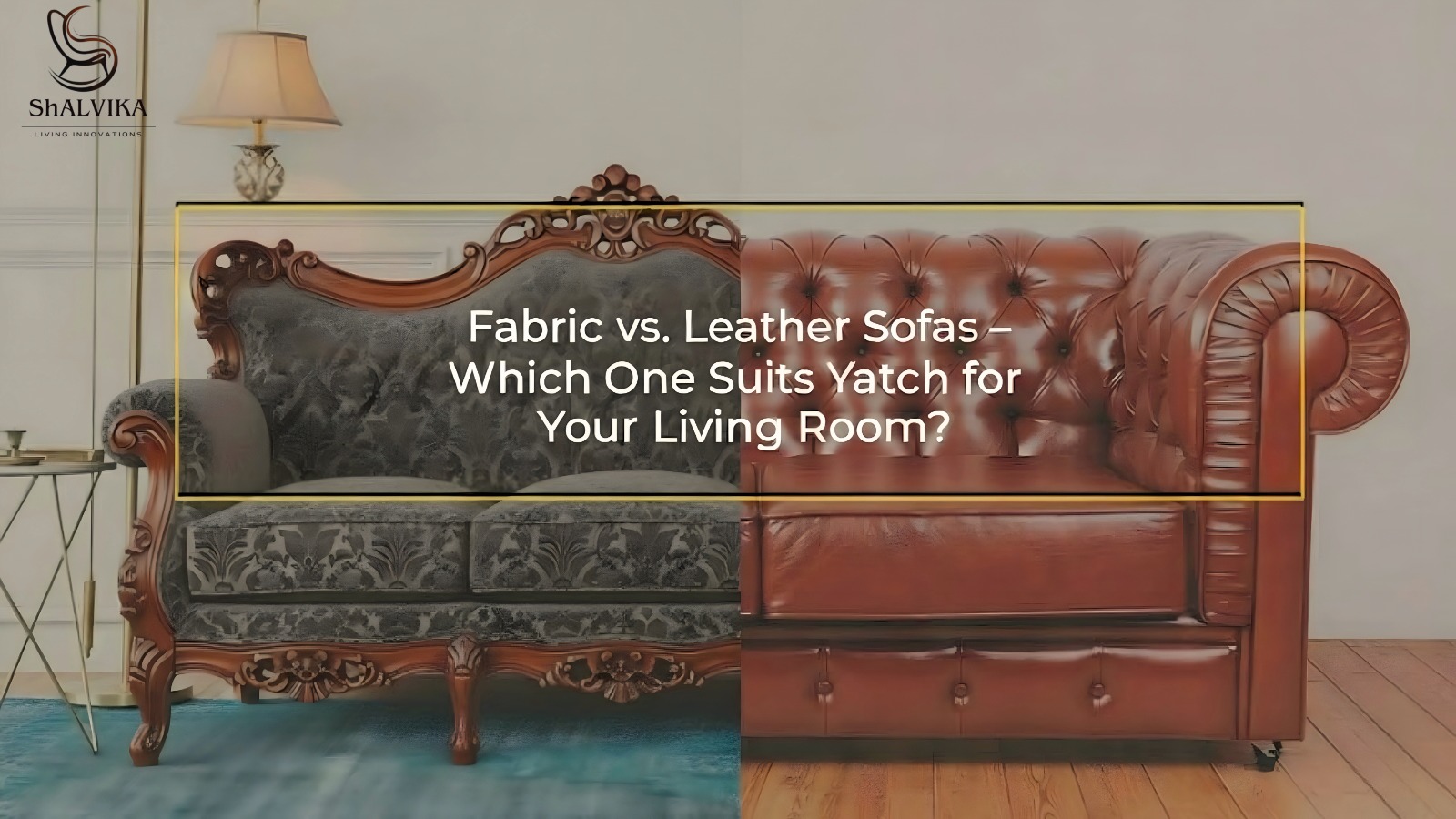
Fabric vs Leather Sofa
When it comes to designing the perfect living room, the sofa is more than just furniture—it’s the heart of your home. It’s where you relax after a long day, host your guests, or enjoy family time. Choosing between a fabric sofa and a leather sofa can be tricky because both come with their own advantages, style appeal, and maintenance needs. Understanding their features will help you make the right decision for your home’s comfort and style.
1. Comfort and Feel

The first thing most people notice about a sofa is how it feels. Fabric sofas are known for their softness and warmth. They are available in a wide range of textures—cotton, linen, velvet, or microfiber—each offering a unique comfort level. These sofas feel cozy, especially during cold weather, making them ideal for family rooms or spaces where comfort is key.
On the other hand, leather sofas have a luxurious and sleek appearance. They feel cool to the touch and tend to adjust to body temperature quickly. Leather also offers firm yet comfortable support, giving your living room a sophisticated look. However, if you live in a humid or hot area, the surface can sometimes feel warm and sticky in summer.
2. Appearance and Aesthetic Appeal
Your sofa plays a major role in defining your living room’s personality. Leather sofas bring timeless elegance and a premium look to the space. Their smooth surface and rich finish add a classy charm that never goes out of style. Whether you choose black, brown, or tan, leather always adds an element of luxury and refinement.
Fabric sofas, however, allow more creativity. They come in countless colors, patterns, and weaves, making it easy to match any décor theme—modern, bohemian, or classic. You can choose soft pastel shades for a calm look or bold colors to make a style statement. Fabric gives you the flexibility to express your personality through design.
3. Durability and Longevity
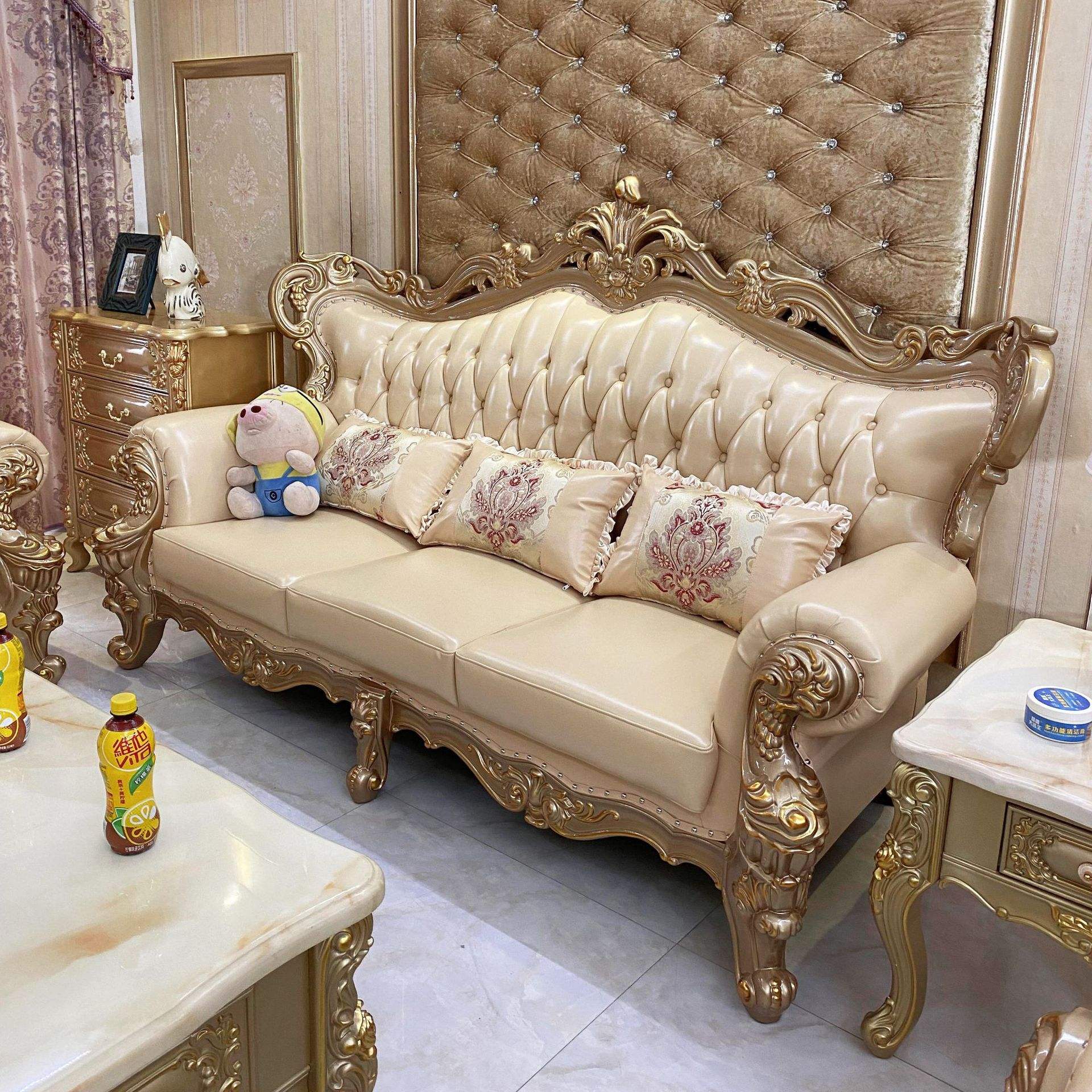
When it comes to durability, leather sofas often outlast fabric ones if maintained properly. Genuine leather ages beautifully, developing a natural patina over time that enhances its charm. It resists wear and tear better, making it a great option for homes with adults or minimal pet activity.
Fabric sofas, while comfortable, can be more prone to fading, staining, and fabric wear, depending on usage. However, high-quality upholstery fabrics and protective coatings have made modern fabric sofas much more durable than before. Choosing tightly woven fabrics like microfiber can increase their lifespan and resistance to spills.
4. Maintenance and Cleaning
Maintenance is a key factor for most homeowners. Leather sofas are relatively easy to clean. Spills can be wiped off with a soft cloth, and occasional conditioning keeps the material supple. However, leather can crack or fade if exposed to direct sunlight or dryness for long periods.
Fabric sofas, on the other hand, require regular vacuuming and occasional deep cleaning to keep them looking fresh. Removable covers can be a great advantage, allowing easy washing. For families with kids or pets, stain-resistant fabric options are practical and easy to maintain.
5. Comfort in Different Climates
Your local climate can influence your choice. In colder regions, fabric sofas offer warmth and coziness, making them ideal for year-round comfort. In contrast, leather sofas stay cool and are perfect for warmer climates, though they can feel chilly in winter unless paired with throws or cushions.
6. Price and Value
Budget is another deciding factor. Leather sofas tend to be more expensive due to the cost of genuine leather and craftsmanship involved. However, their long lifespan and elegant appearance justify the investment for many homeowners.
Fabric sofas are generally more affordable and available in a wider range of prices. You can find quality fabric sofas at various budgets without compromising on comfort or design.
7. Sustainability and Choice
As consumers become more conscious about sustainability, material choice plays an important role. Many fabric sofas now use eco-friendly materials or recycled fibers, offering comfort with a smaller environmental footprint. Leather, though natural, involves a more complex production process. Those preferring an ethical choice can explore faux leather or plant-based alternatives that offer a similar look without harming animals.
8. Matching Your Lifestyle
Your lifestyle should guide your final choice.
If you have children or pets, fabric sofas with washable covers or microfiber upholstery are practical and forgiving of everyday messes.
If you live alone or in a couple’s home and prefer minimal maintenance, a leather sofa is stylish, durable, and easy to clean.
For homes that host guests frequently, leather adds a touch of luxury, while fabric brings a homely warmth ideal for relaxed gatherings.
Conclusion
Both fabric and leather sofas bring something unique to your living space. Fabric sofas are about warmth, creativity, and comfort, while leather sofas stand for elegance, durability, and sophistication.
At Shalvika Living Innovations, you can explore a range of custom sofa designs crafted in premium fabric and leather. Each piece is designed to match your taste, space, and lifestyle, combining timeless craftsmanship with modern comfort. Whether you want a cozy family sofa or a luxurious statement piece, the perfect sofa awaits your home.